NYC ReCharged

NYC ReCharged is a proposal to transform underutilized urban spaces into accessible electric vehicle charging hubs for New York City residents. The initiative focuses on converting areas beneath highways, overpasses, and other overlooked infrastructure into safe, well-lit charging facilities that serve drivers who lack access to private driveways or dedicated parking.

The project addresses one of the largest barriers to EV adoption in dense cities: reliable charging for apartment dwellers and street parkers. Beyond charging, NYC ReCharged envisions integrated amenities such as security lighting, bike parking, small retail concessions, and community improvements that make better use of existing public space while supporting the city's transition to cleaner transportation.

Read the full write-up: The thinking behind NYC ReCharged.

NYC ReCharged Project Icon
Interactive map loads with JavaScript
Urban Planning Proposal 01 / 07

NYC ReCharged

Use existing infrastructure more effectively rather than building entirely new infrastructure.

NYC ReCharged is a proposal to transform underused spaces beneath highways, rail viaducts, overpasses, and large public parking fields into accessible electric vehicle charging hubs.

The proposal focuses on a practical barrier to EV adoption in dense cities: residents without private driveways need reliable charging that fits into the street and public infrastructure they already use.

Core vision
Reserve small, legible portions of existing infrastructure for charging, lighting, maintenance, and public space activation.
Charging
Site-by-site allocation
Theme
Infrastructure reuse
  • Reduces pressure for new land acquisition
  • Targets apartment dwellers and street parkers
  • Makes charging part of civic infrastructure
Existing Curbside Proof Point 02 / 07

FLO on East End Avenue

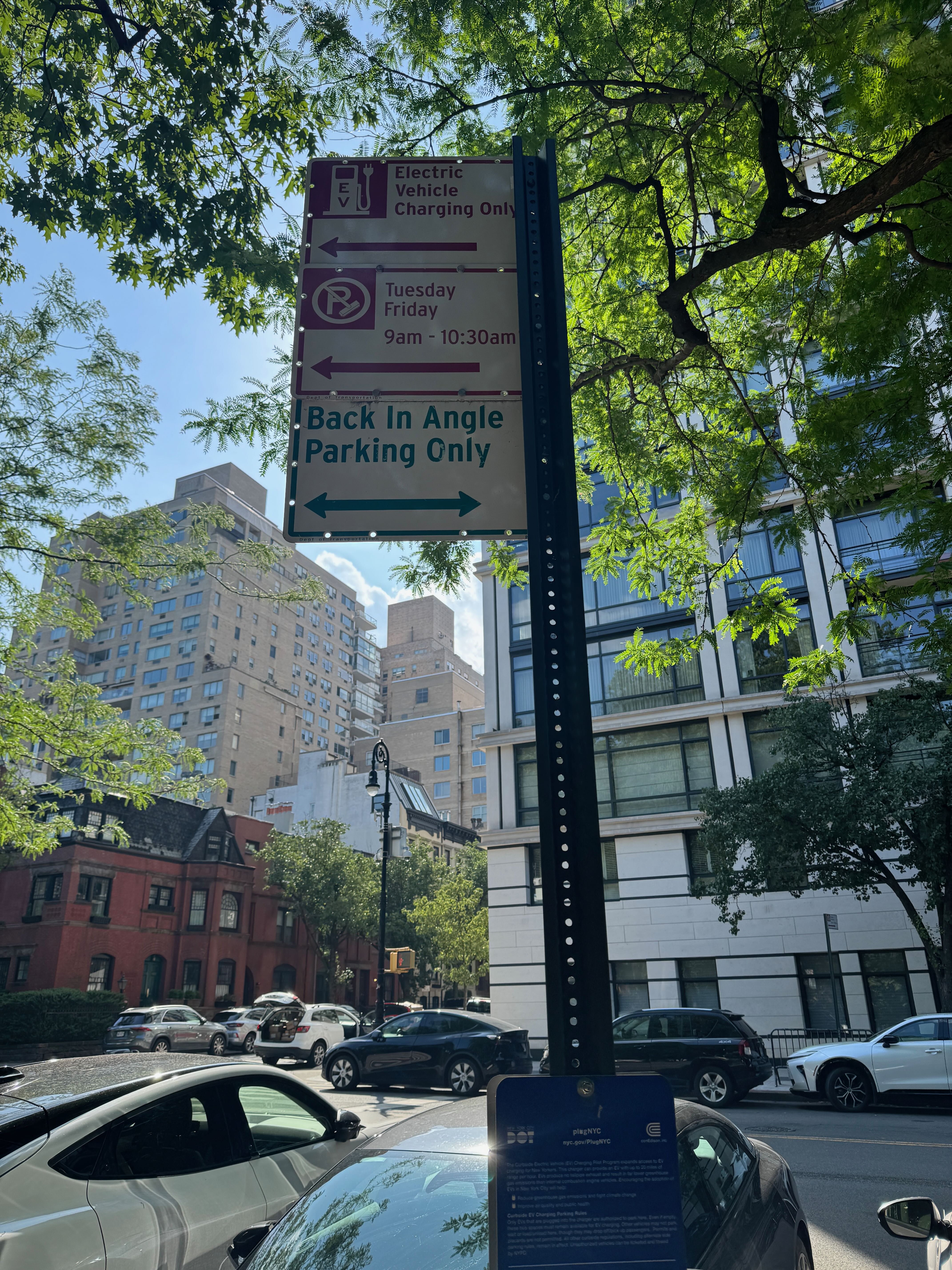
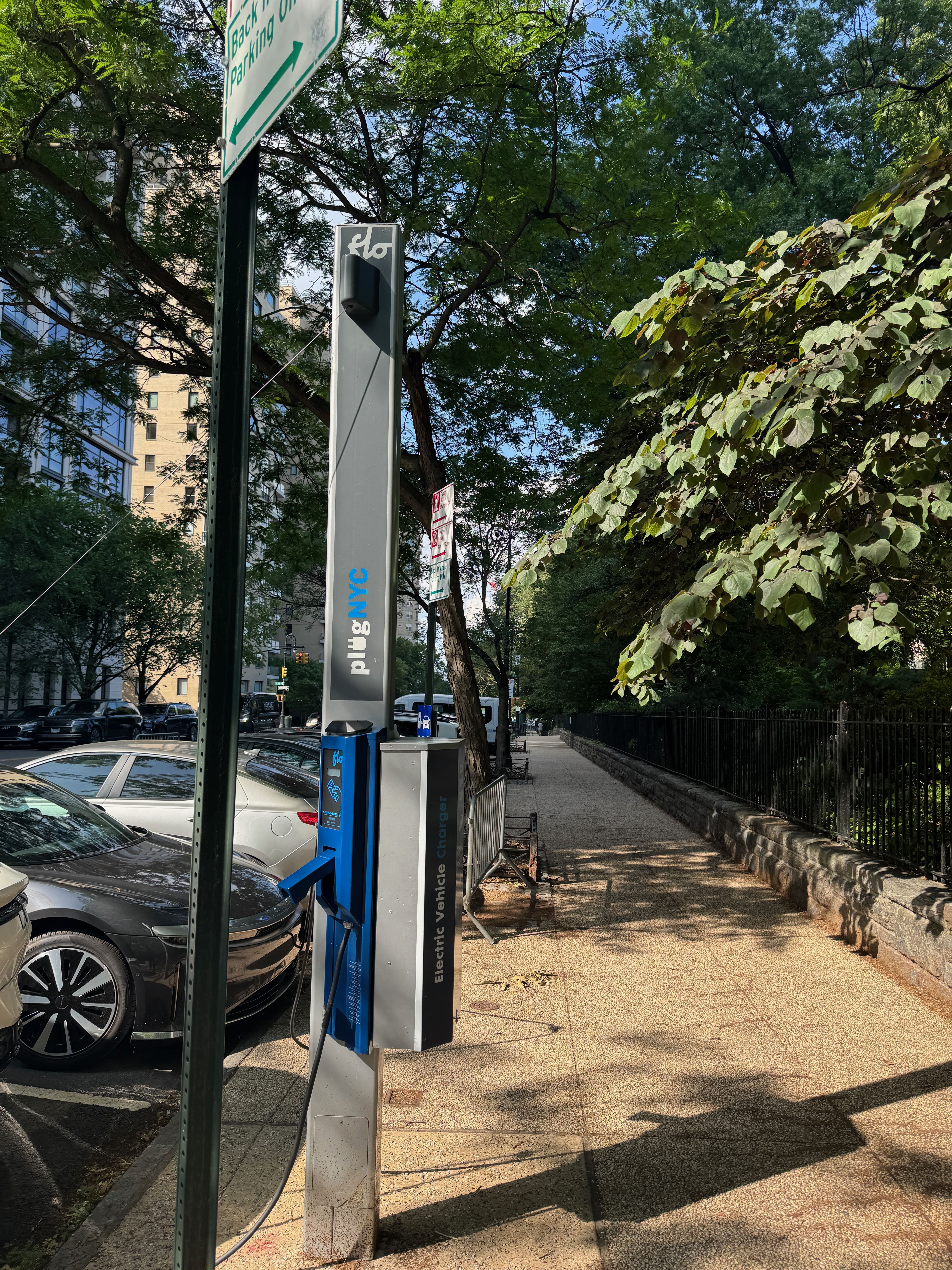
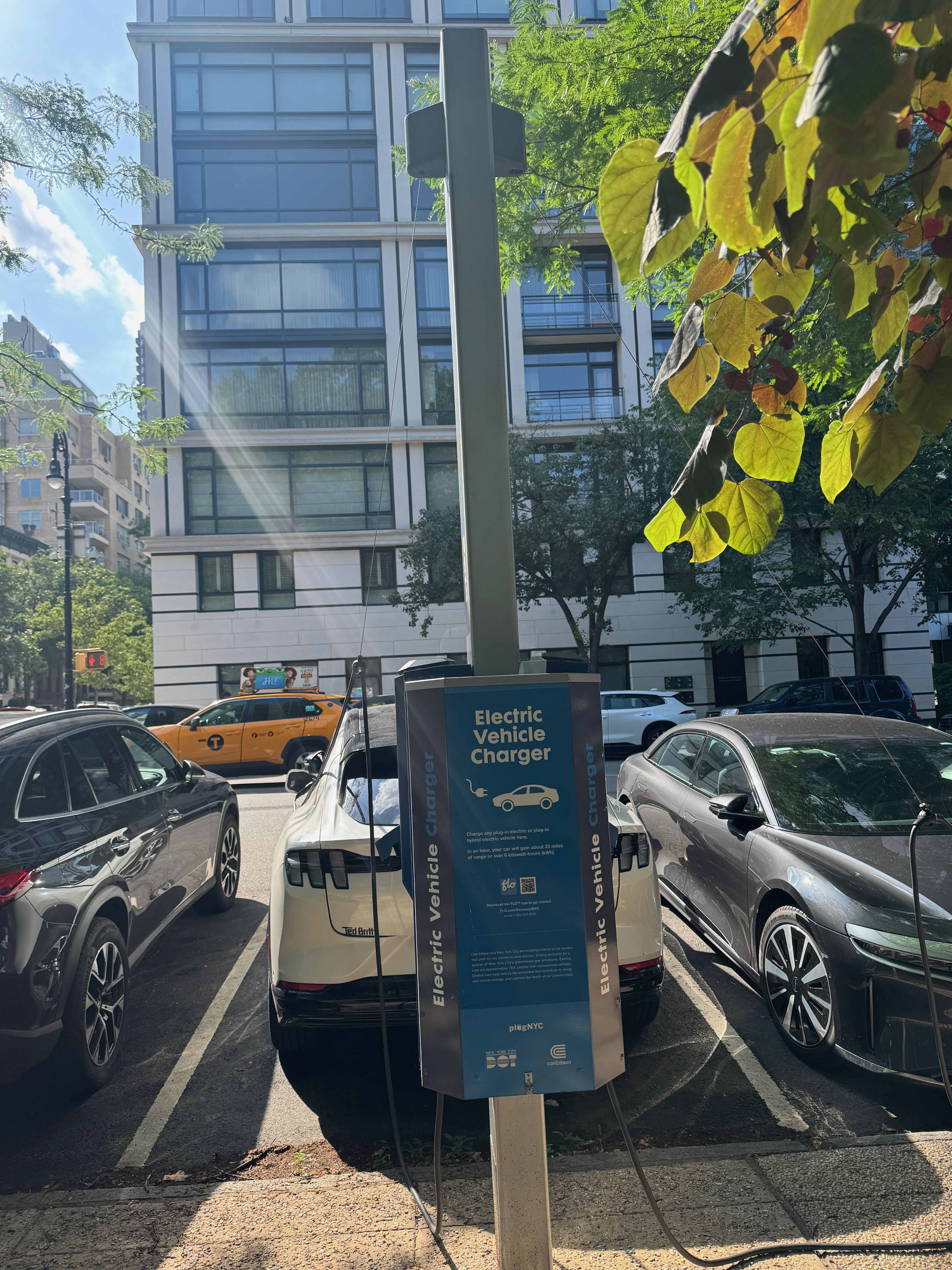
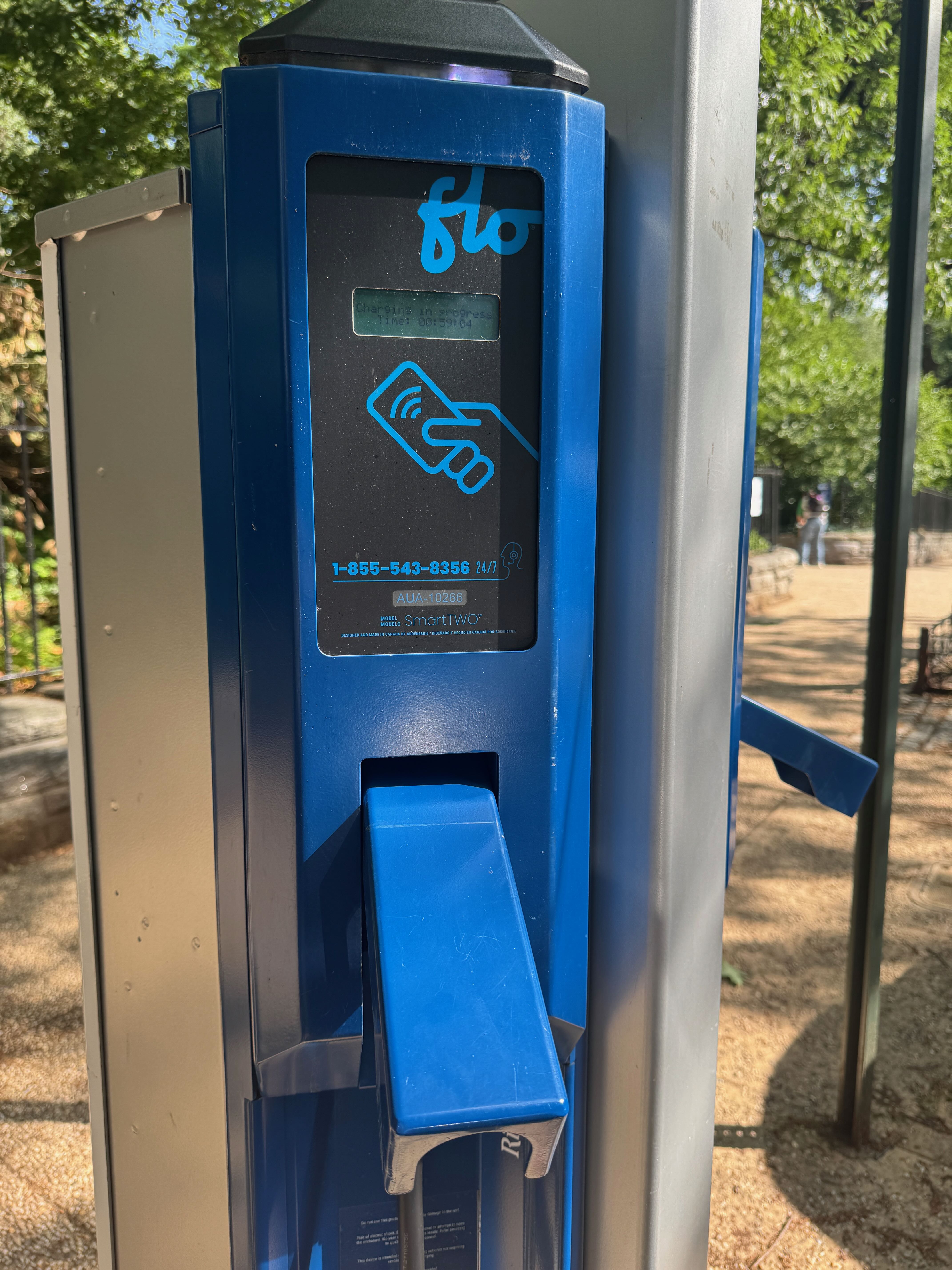
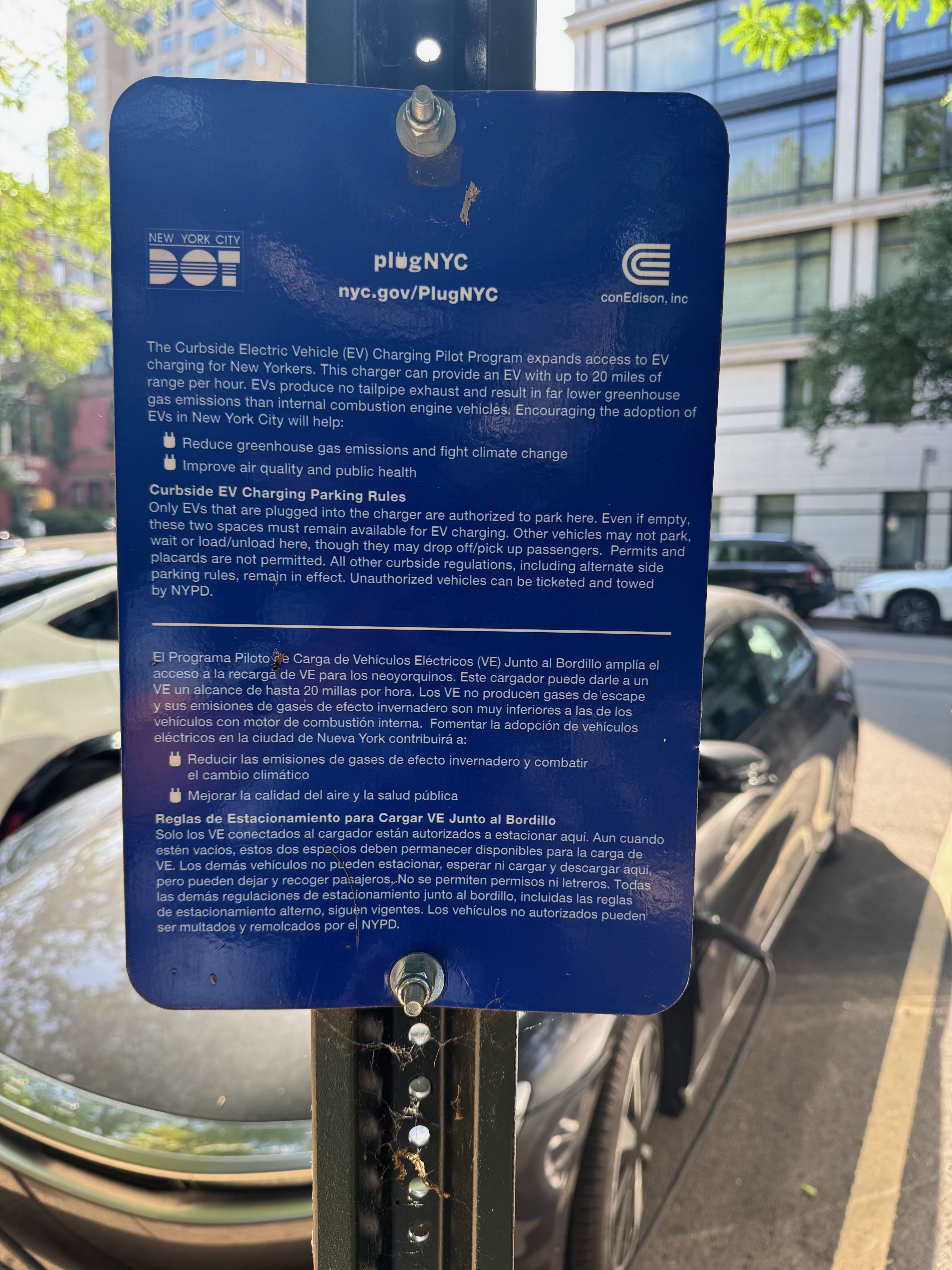
At 170 East End Ave, an existing FLO curbside installation shows the smallest useful version of this idea. It has only two chargers, but the chargers appear consistently used.

The point is not that two chargers solve the citywide gap. The point is that curbside charging can exist without dramatically reducing parking availability, which makes it a credible building block for wider deployment.

Existing charger proof point
Existing FLO curbside charging at 170 East End Ave shows that useful charging can fit into the curb without dramatically reducing parking availability.
Charging
2 existing curbside chargers
Theme
Curbside proof point
  • Documents a working installation
  • Shows charging can coexist with normal curb use
  • Supports apartment dwellers without private parking
Underpass Pilot 03 / 07

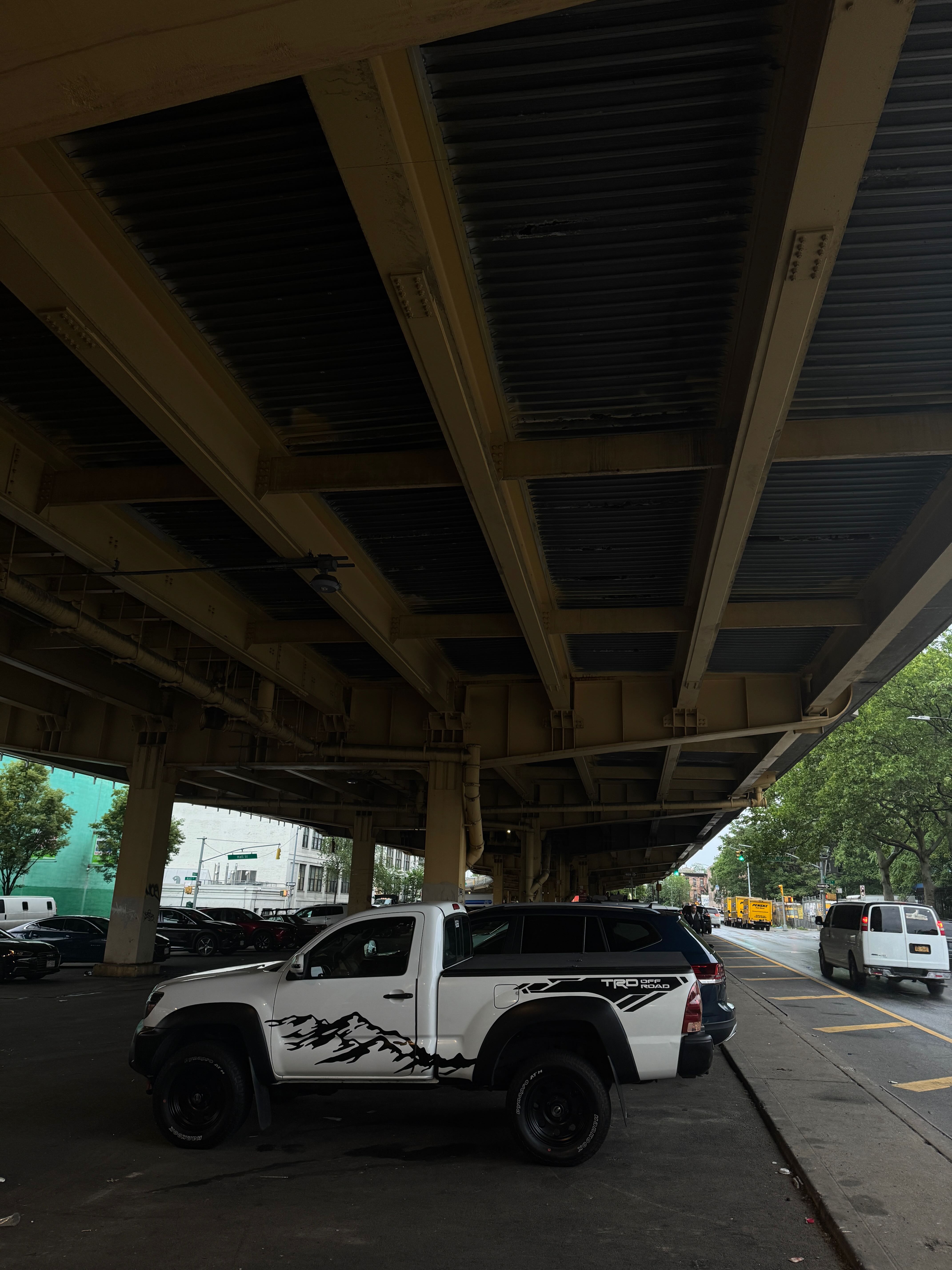
BQE / Clinton Hill Near Brooklyn Navy Yard

This site is beneath and near the BQE in Clinton Hill, close to the Brooklyn Navy Yard. It demonstrates how an underutilized parking area can be upgraded without treating the site as empty land.

The proposal is to preserve most existing parking while converting approximately 10% of the area into Level 2 EV charging. Charging, lighting, and maintenance would make the space more productive without requiring major land acquisition.

Proposed Level 2 reuse
Convert a small percentage of existing underpass parking near the Brooklyn Navy Yard into Level 2 EV charging.
Charging
Approx. 10% of parking area
Theme
Underpass charging
  • Preserves most existing parking
  • Avoids major land acquisition
  • Adds lighting, maintenance, and cleaner mobility access
Underutilized parking beneath and near the BQE in Clinton Hill
Underutilized parking area beneath and near the BQE in Clinton Hill.
Destination Charging 04 / 07

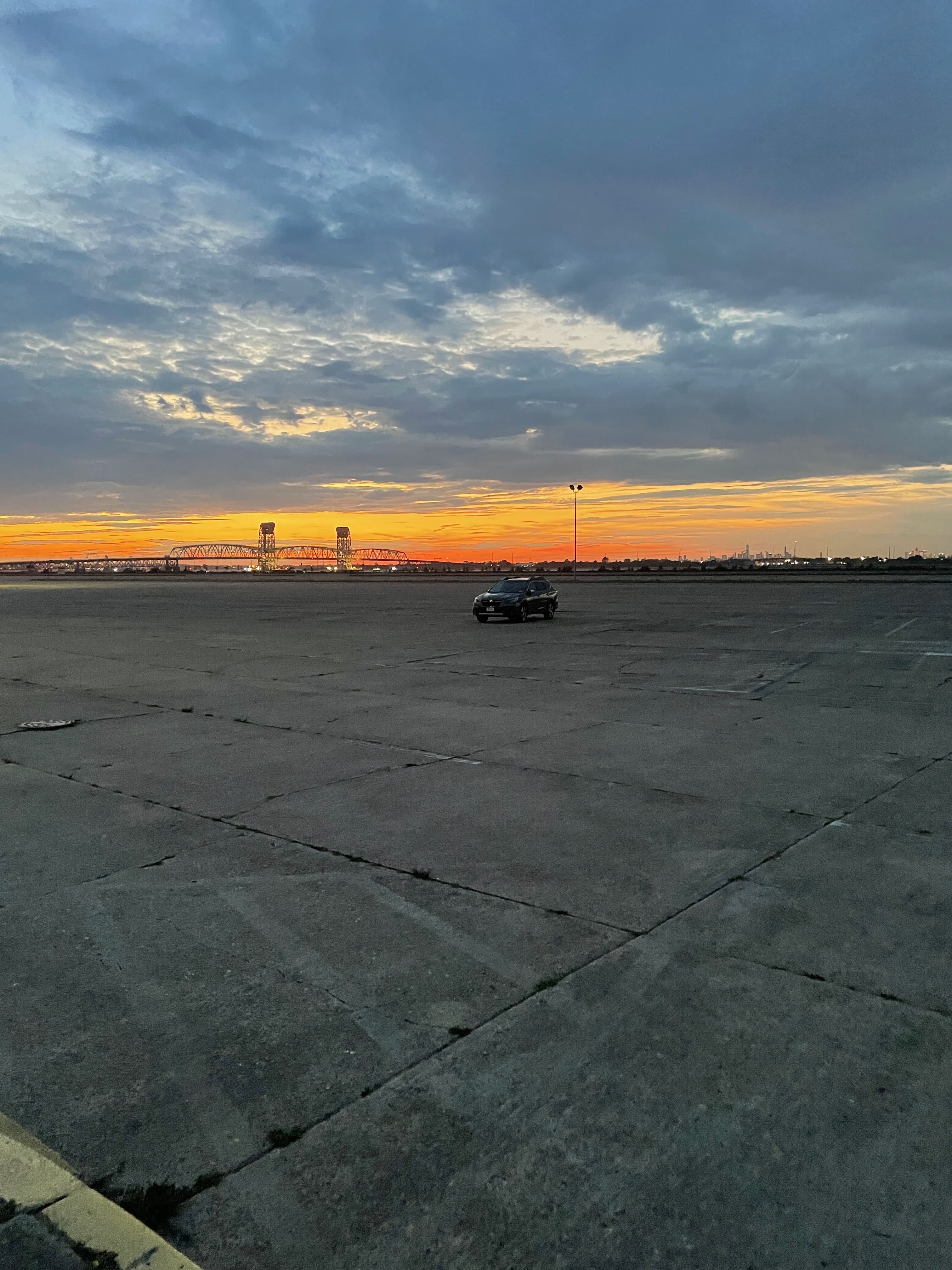
Jacob Riis Beach Parking Lot

Jacob Riis Beach has a very large parking field serving beach visitors, seasonal tourism, and local recreation. The proposal is to reserve a small portion of the lot, such as approximately 30 spaces, while preserving the overwhelming majority of existing parking.

A row near the park ranger office and entrance booths may be a practical starting point because utility access may already be nearby. This could support an EVolve NY-style project with both Level 2 and Level 3 charging.

Destination charging
Reserve a small portion of a very large beach parking field for EV charging while preserving the overwhelming majority of existing spaces.
Charging
Approx. 30 spaces, Level 2 and Level 3 mix
Theme
EVolve NY-style beach destination
  • Serves beach and recreation visitors
  • Uses a practical row near existing park infrastructure
  • Keeps the lot's primary parking function intact
Large Jacob Riis Beach parking field
Jacob Riis Beach parking field, a large seasonal destination lot.
Outdoor / Adventure Charging 05 / 07

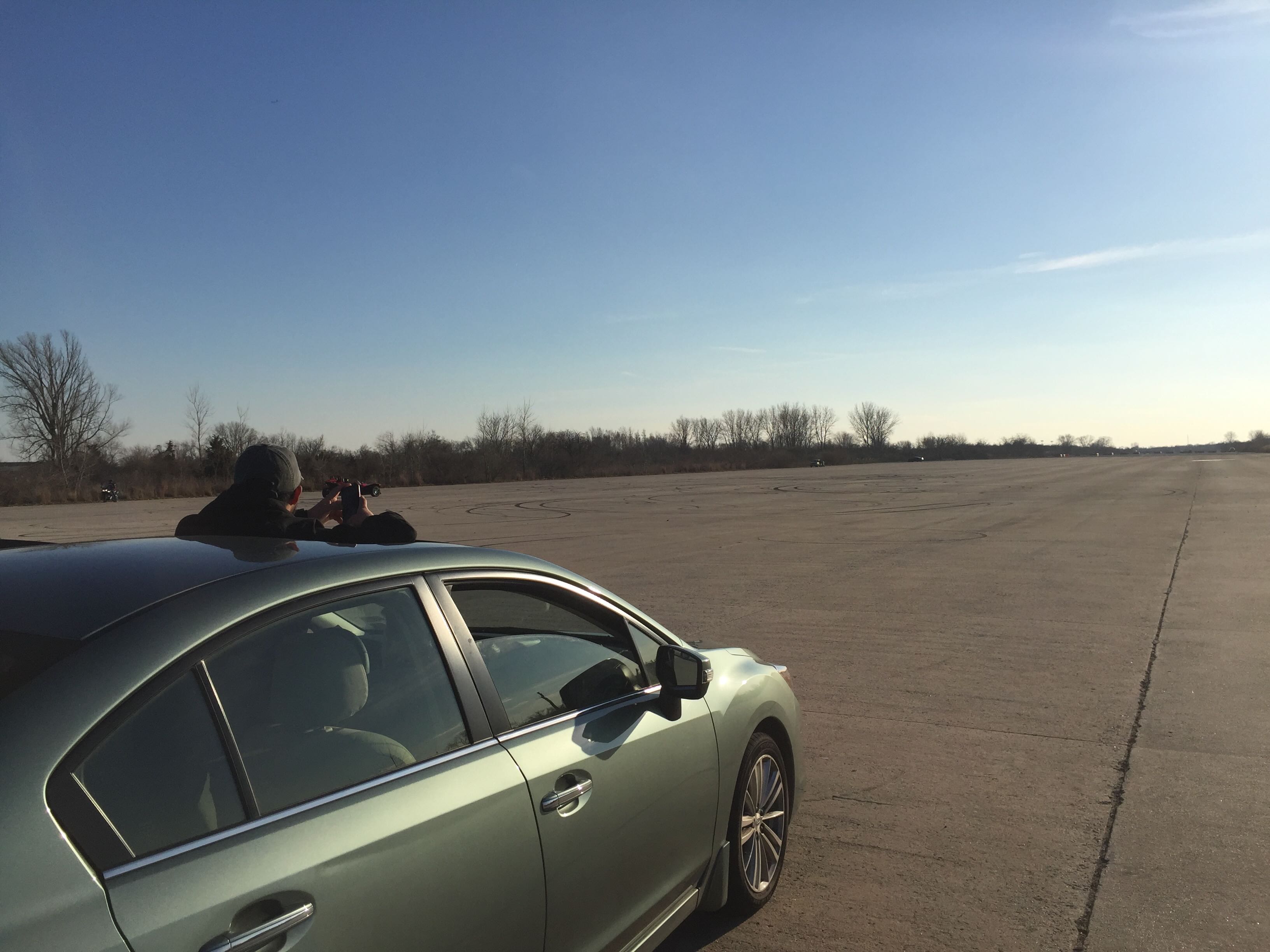
Floyd Bennett Field

Floyd Bennett Field is a large recreational and historic airfield area. Its charging role is different from a neighborhood curbside or underpass site.

A Rivian Adventure Network-style hub could support campers, beach visitors, regional travelers, and recreational users while fitting the outdoor and adventure character of the site.

Destination charging
Treat the historic recreational airfield as an outdoor destination charging opportunity aligned with regional travel and adventure use.
Charging
Rivian Adventure Network-style hub
Theme
Outdoor and regional charging
  • Supports campers and recreational users
  • Serves beach visitors and regional travelers
  • Fits the outdoor character of the site
Floyd Bennett Field destination charging opportunity
Floyd Bennett Field, a large recreational and historic airfield area.
Viaduct Reuse 06 / 07

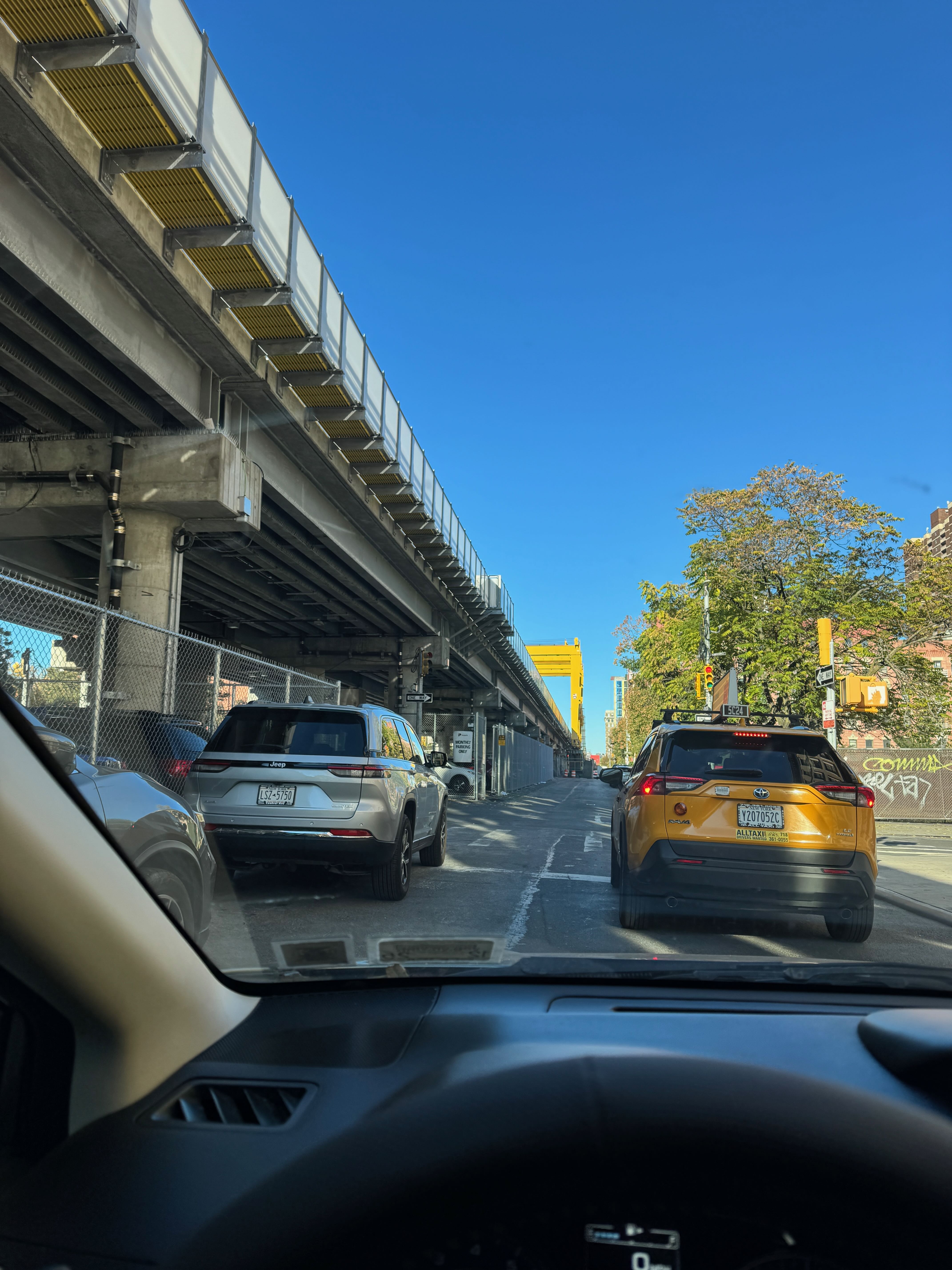
Park Avenue / Harlem Metro-North Underpass

This site sits beneath the Metro-North viaduct on Park Avenue between East 112th Street and East 113th Street, north of the Harlem Garden Center.

Like the BQE example, the proposal is to preserve most existing parking while reserving a small percentage of spaces for Level 2 EV charging. It could also support local activity by serving people visiting the Harlem Garden Center or nearby businesses.

Proposed Level 2 reuse
Reserve a small percentage of existing parking beneath the Metro-North viaduct for Level 2 charging between East 112th and East 113th Streets.
Charging
Small percentage of existing spaces
Theme
Viaduct reuse
  • Preserves most existing parking
  • Supports Harlem Garden Center and nearby businesses
  • Converts transportation infrastructure into cleaner mobility support
Parking beneath the Park Avenue Metro-North viaduct in Harlem
Existing parking beneath the Park Avenue Metro-North viaduct in Harlem.
Citywide Expansion Vision 07 / 07

A Network Built from Places New York Already Has

The sites are not interchangeable. A curbside proof point, a BQE underpass, a beach parking field, Floyd Bennett Field, and a Harlem rail viaduct serve different users.

The scalable idea is the method: identify infrastructure that already exists, reserve a small and practical charging allocation, add lighting and maintenance, and connect the site to the community or destination it already supports.

Expansion framework
Build a citywide charging network by matching site type to charging need instead of forcing one template everywhere.
Charging
Curbside, Level 2, Level 3, and destination charging
Theme
Future expansion area
  • Improves EV access for street parkers
  • Supports recreation and regional travel
  • Turns overlooked infrastructure into maintained public assets